
A Singular Willamette Valley Vineyard
High-Elevation, Volcanic Soil, Cool-Climate
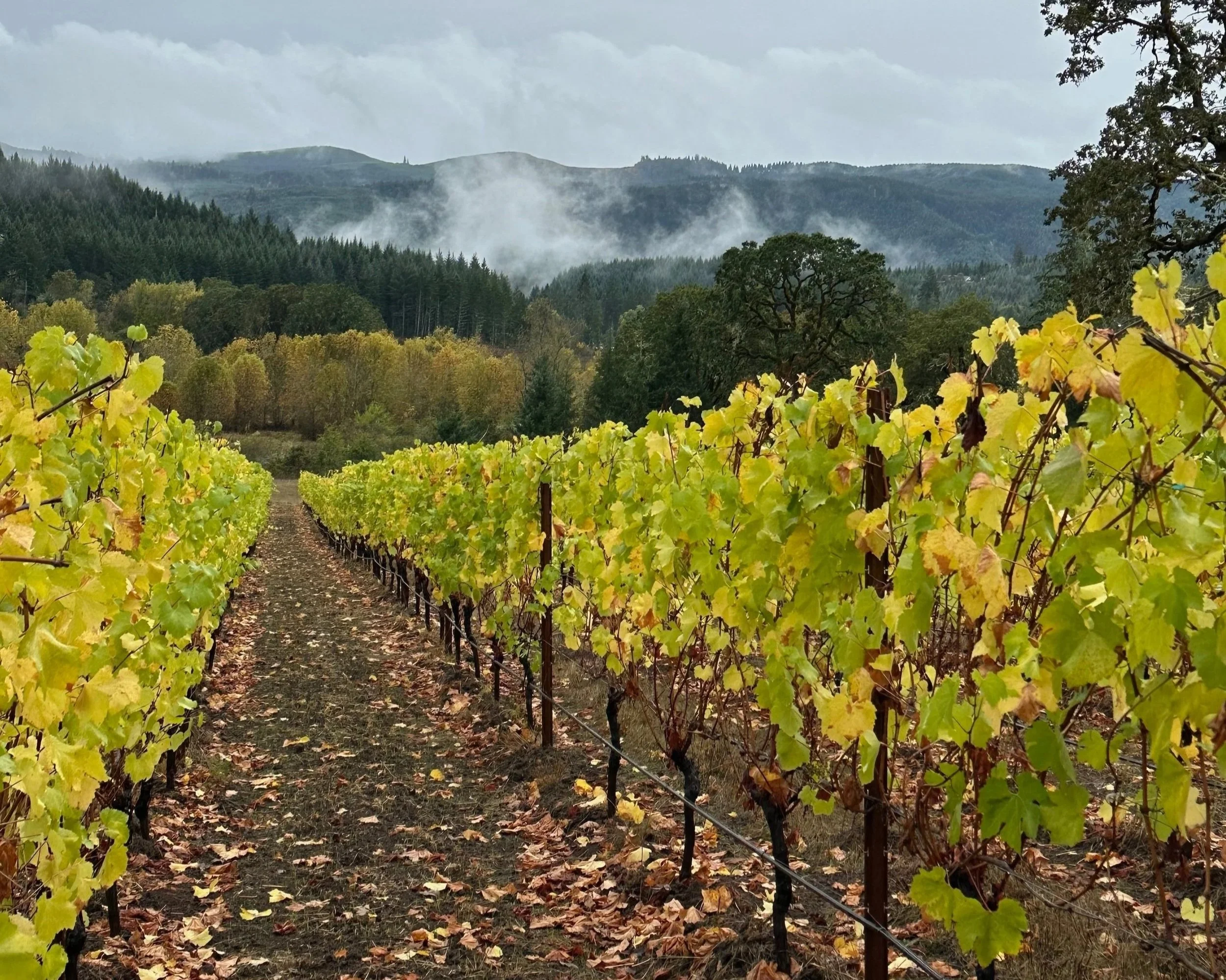
Set at the extreme northwestern edge of the Willamette Valley, Lonesome Rock Cellars is a secluded estate vineyard tucked into the rugged foothills of the Coast Range west of Carlton, Oregon. Defined by fractured volcanic soils, high elevation, and a cool, extended growing season, the site produces Pinot Noir, Chardonnay, and Pinot Meunier marked by precision, energy, and a clear sense of origin.
This is a single-vineyard estate shaped not by scale, but by site—where vine balance, farming decisions, and wine character are guided by the land itself.
A Monopole in the Foothills of the Coast Range
Lonesome Rock is what the French would call a “monopole” — a vineyard in a unique place, with a micro-climate, soil, and topographical profile with no twin. Isolated from neighboring plantings and outside farming influence, the estate reflects a single, cohesive vision from soil to bottle.
High elevation and direct exposure to cool marine air extend the growing season, allowing fruit to ripen slowly and evenly while preserving freshness, tension, and aromatic complexity.
Willamette Valley Terroir Defined by Elevation, Exposure, and Volcanic Soils
Volcanic Origins and Soil Structure
The vineyard is planted on fractured volcanic soils that are naturally low in fertility and high in mineral content. These conditions limit vigor, encourage deep root systems, and produce small, concentrated berries—ideal for Pinot Noir and Chardonnay of structure, clarity, and longevity.
Aspect and Exposure
The vineyard spans a dramatic 270 degrees of exposure, including an uncommon north-facing parcel that contributes tension and freshness to the wines. Well-drained hillsides rise from approximately 575 to 780 feet above sea level, placing Lonesome Rock among the higher-elevation vineyard sites in the Willamette Valley.
Coastal Influence and Dramatic Diurnal Shifts
Proximity to the Coast Range exposes the vineyard to steady marine airflow, resulting in pronounced diurnal temperature variation during the critical weeks of ripening. Daytime warmth builds flavor and phenolic maturity, while nighttime temperatures regularly fall by as much as 45 degrees, preserving acidity and aromatic lift.
These conditions slow the pace of ripening without stalling it, allowing sugars, acids, and tannins to develop incrementally and in balance.
Low Yields, Slow Ripening, and Natural Energy
Naturally low yields, combined with an extended ripening cycle, produce fruit of concentration without heaviness. The resulting wines retain electric acidity, structural clarity, and an uncommon potential for ageability—an expression shaped by patience, restraint, and place.
Farming with Long-Term Stewardship in Mind
At Lonesome Rock, farming decisions are guided by restraint and respect for the land. Vineyard practices prioritize soil health, biodiversity, and sustainability, ensuring the site can express itself clearly, vintage after vintage.
Cover crops, thoughtful canopy management, and minimal intervention enhance resilience while elevating fruit quality and ecological balance.
Farmed organically and certified LIVE sustainable (Low Input Viticulture and Enology), the vineyard reflects a deep commitment to preserving the integrity of the land for future generations.
From Vineyard to Glass
Because Lonesome Rock is estate-grown and estate-driven, each vintage offers a transparent view into the growing season. Variations in weather are not smoothed away; they are preserved, giving collectors and visitors a rare opportunity to experience how a single Willamette Valley vineyard translates, season by season, into the glass.
Experience the Vineyard and Wines at our Willamette Valley Tasting House in Carlton, Oregon
For those who wish to explore the wines in their place of origin, we invite you to taste our wines at the estate through private, owner-led tastings on our secluded vineyard in the hills west of downtown Carlton, Oregon.